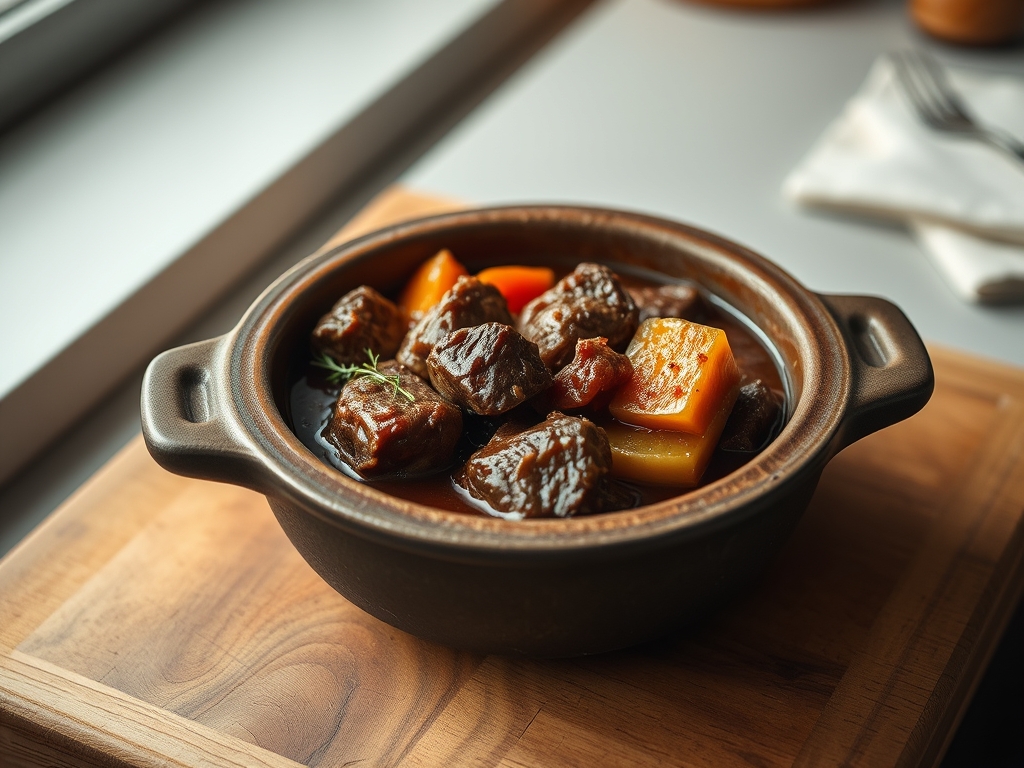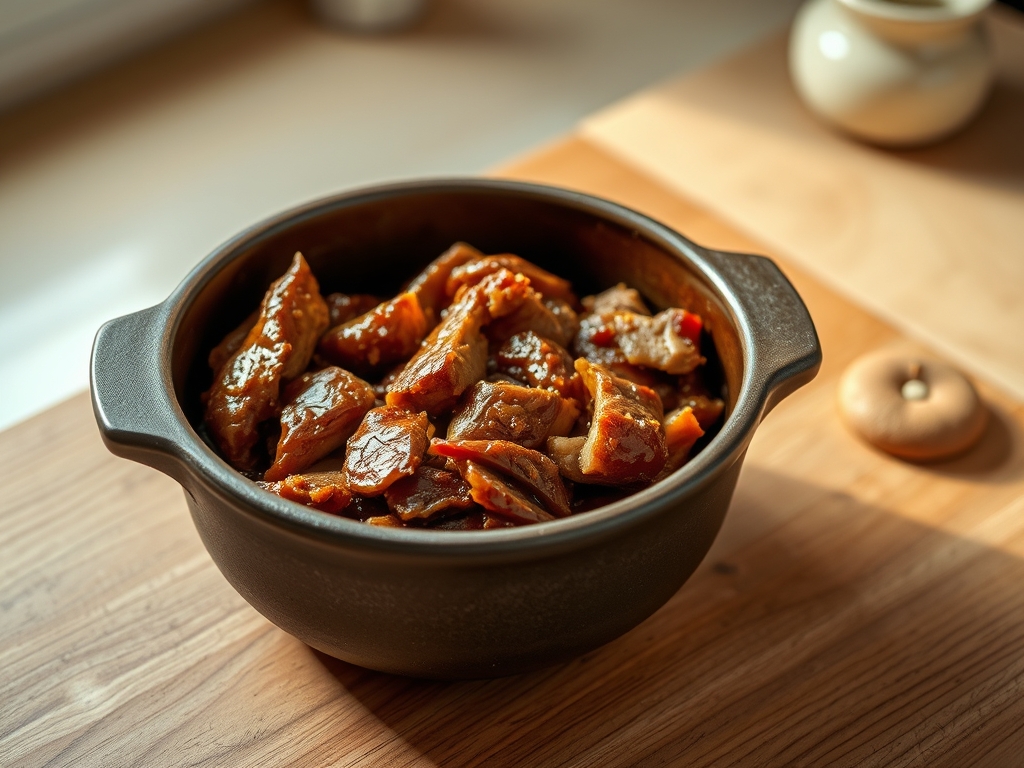
The kitchen is not a sanctuary; it is a high-stakes laboratory where heat and pressure collide to transform fibrous muscle into silk. When you engage with a Multi Cooker Beef Goulash, you are not merely making dinner. You are managing a complex series of chemical reactions within a sealed, pressurized environment. Imagine the scent of toasted Hungarian paprika hitting hot fat; it is sharp, smoky, and dangerously aromatic. This is the lipid synergy we crave. The goal is a sauce so viscous it clings to the back of a spoon like velvet, paired with beef that surrenders at the mere suggestion of a fork. We are hunting for that perfect Maillard reaction, where sugars and amino acids dance to create deep, savory complexity. If your current stew lacks depth, you are likely failing at the molecular level. We are here to audit your process, optimize your infrastructure, and ensure that every gram of collagen in that chuck roast is successfully converted into rich, mouth-coating gelatin. Let us begin the protocol.
THE DATA MATRIX
| Metric | Specification |
|---|---|
| Prep Time | 25 minutes |
| Execution Time | 60 minutes |
| Yield | 6 Servings |
| Complexity | 4 / 10 |
| Estimated Cost per Serving | $4.50 USD |
THE GATHERS
Ingredient Protocol:
- 1.1 kg / 2.5 lbs Beef Chuck (trimmed and cubed into 3cm pieces)
- 45 ml / 3 tbsp High-smoke point oil (Grapeseed or Avocado)
- 3 Large Yellow Onions (finely diced to create the base body)
- 40 g / 4 tbsp Sweet Hungarian Paprika (The structural core)
- 5 g / 1 tsp Smoked Paprika (For depth)
- 500 ml / 2 cups Beef Bone Broth (High gelatin content preferred)
- 30 ml / 2 tbsp Tomato Paste (Triple concentrated)
- 3 cloves Garlic (Microplaned)
- 5 g / 1 tsp Caraway Seeds (Lightly toasted and crushed)
- 2 Red Bell Peppers (Sliced into thin strips)
- 15 ml / 1 tbsp Red Wine Vinegar (To brighten the finish)
- Sea Salt and Cracked Black Pepper to taste
Section A: Ingredient Quality Audit:
The primary failure point in a Multi Cooker Beef Goulash is the beef selection. If you choose a lean cut like Round or Sirloin, the pressurized environment will turn the fibers into dry, woody splinters. You require a cut with significant intramuscular connective tissue. If your beef looks pale or wet, it has been pumped with saline; pat it dry aggressively with paper towels or the Maillard reaction will be replaced by a dismal gray steaming process. Furthermore, check your paprika. If it has been sitting in your cupboard for over six months, it is no longer an ingredient; it is decorative dust. Fresh paprika should smell piquant and vibrant. If yours is dull, double the quantity or toast it in a dry pan for thirty seconds to awaken any remaining volatile oils.
THE MASTERCLASS
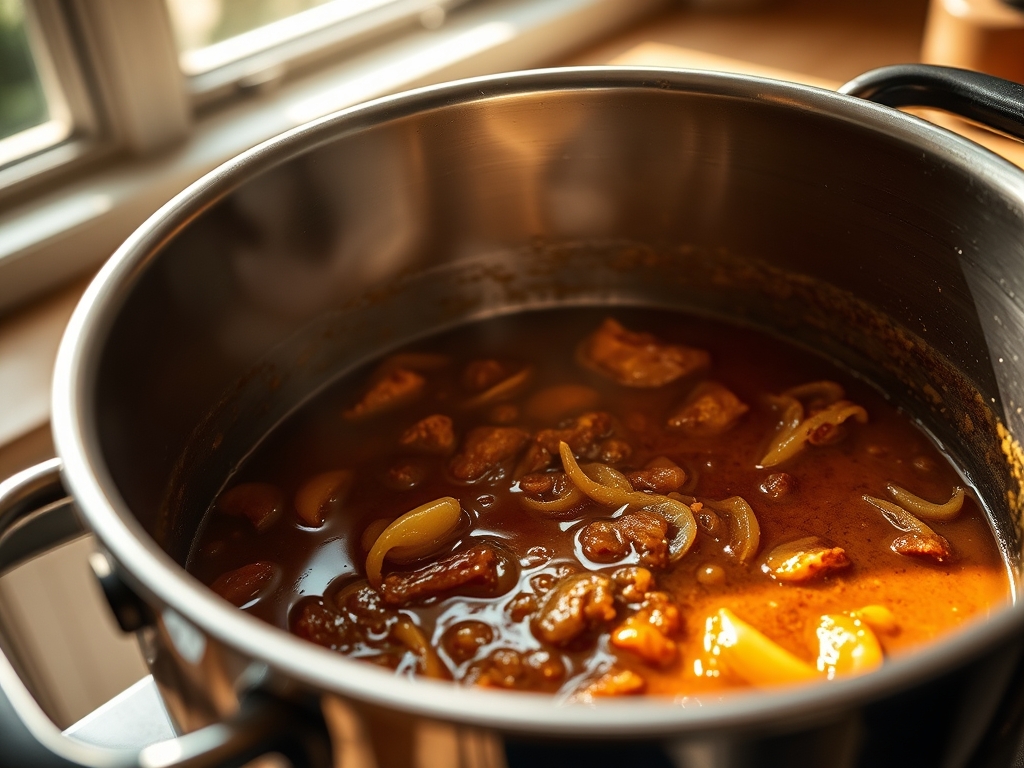
Step-by-Step Execution:
1. The Maillard Initialization
Set your multi cooker to the highest "Sauté" setting. Allow the vessel to reach thermal equilibrium before adding your oil. Pat the beef dry and sear in small batches. Do not crowd the pot or the temperature will plummet. Remove the beef once a deep mahogany crust has formed.
Pro Tip: Use a heavy-duty bench scraper to move the meat efficiently and keep the bottom of the pot clear. Achieving a dark crust is essential because these browned bits (fond) provide the foundational umami for your sauce.
2. The Allium Foundation
Add the diced onions to the rendered beef fat. Sauté until they are translucent and beginning to caramelize at the edges. This process should take at least 8 to 10 minutes. The onions are not just for flavor; they provide the structural viscosity of the final sauce as they break down.
Pro Tip: Use a digital scale to ensure your onion-to-meat ratio is correct. Too few onions will result in a thin, watery broth rather than a rich goulash.
3. The Lipid-Paprika Infusion
Turn the heat to low. Add the tomato paste, garlic, caraway seeds, and both types of paprika. Stir constantly for 60 seconds. You are looking to infuse the oil with the pigments and flavors of the spices without burning them.
Pro Tip: Paprika is high in sugar and burns rapidly. Have your beef broth measured and ready in a saucier or measuring jug to immediately quench the pan if the spices begin to darken too quickly.
4. Deglaze and Pressurize
Pour in the beef broth and use a wooden spoon to deglaze the bottom of the pot, scraping up every bit of fond. Return the beef and any accumulated juices to the pot. Add the bell peppers. Lock the lid and set to High Pressure for 35 minutes.
Pro Tip: Professional chefs know that "natural release" is vital for meat texture. A sudden drop in pressure causes the muscle fibers to seize. Allow a 15-minute natural release to keep the beef tender.
5. The Acidic Calibration
Once the pressure is released, stir in the red wine vinegar. This acidity will aerate the heavy flavors and cut through the richness of the fat. Taste and adjust salt levels.
Pro Tip: Use a silicone spatula to fold the sauce. If the consistency is too thin, set the cooker to sauté for 5 minutes to reduce the liquid, but be careful not to overcook the beef into mush.
Section B: Prep & Timing Fault-Lines:
The most common human error is the "Dump and Go" fallacy. If you skip the searing and onion-caramelization phases, you are essentially making a boiled beef soup. Temperature control is also a frequent point of failure. If you add cold broth to a hot pot, you shock the metal and the ingredients. Always use room temperature or warm liquids to maintain the thermal momentum. If your multi cooker displays a "Burn" notice, it means you did not deglaze the bottom of the pot effectively. Stop, transfer the contents, scrub the pot, and restart; carbonized bits will ruin the entire flavor profile.
THE VISUAL SPECTRUM
Section C: Thermal & Visual Troubleshooting:
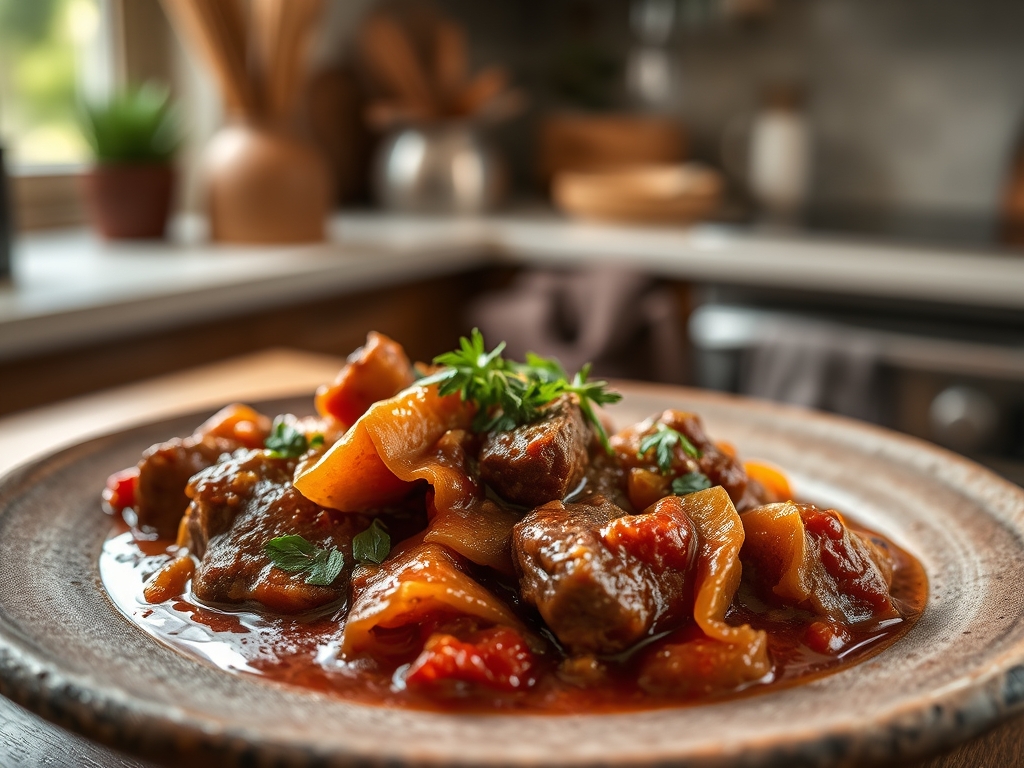
Referencing the Masterclass photo, your goulash should exhibit a deep, brick-red hue, not a pale orange. If your sauce looks dull, you likely under-toasted your paprika or used too much water. The beef should look "shaggy" at the edges, indicating that the connective tissue has fully melted. If the peppers have vanished, you cut them too small; they should remain as soft, identifiable ribbons that provide a color contrast. If you see a layer of yellow oil on top, do not panic. This is the lipid synergy in action. Simply stir it back in to emulsify the sauce, or use a wide spoon to skim the excess if you prefer a leaner finish.
THE DEEP DIVE
Macro Nutrition Profile:
A standard serving provides approximately 380 calories, 32g of protein, 18g of fat, and 12g of carbohydrates. The high collagen content from the chuck roast is excellent for gut health and joint support.
Dietary Swaps:
- Vegan: Replace beef with hearty chunks of Portobello mushrooms and use vegetable bouillon. Reduce pressure time to 10 minutes.
- Keto: Ensure your tomato paste has no added sugar. Serve over cauliflower mash instead of traditional noodles or potatoes.
- GF: This recipe is naturally gluten-free; just verify your beef broth source.
Meal Prep & Reheating Science:
Goulash is a molecular marvel that actually improves after 24 hours. As it cools, the flavors continue to intermingle and the gelatin sets. When reheating, avoid the microwave, which can create rubbery meat. Instead, use a stovetop pan over low heat and add a splash of water to loosen the sauce without breaking the emulsion.
THE KITCHEN TABLE
Why is my beef still tough after 35 minutes?
You likely used a cut with insufficient fat or the pieces were too large. Ensure you are using chuck or shin beef and allow for a full natural pressure release to let the fibers relax.
Can I use smoked paprika instead of sweet?
You can, but the flavor will be overwhelming. Hungarian sweet paprika provides the volume and thickness; smoked paprika should only be used as a secondary accent to provide a hint of "fireside" depth.
How do I thicken the sauce without flour?
The secret is the onions. By dicing them finely and sautéing them thoroughly, they dissolve during the pressure cooking process, creating a natural, fiber-based thickness that requires no additional starch or roux.
Is the vinegar absolutely necessary?
Yes. In a dish with high fat and heavy spices, the palate becomes fatigued. A splash of red wine vinegar acts as a chemical "reset," highlighting the savory notes and brightening the overall profile.