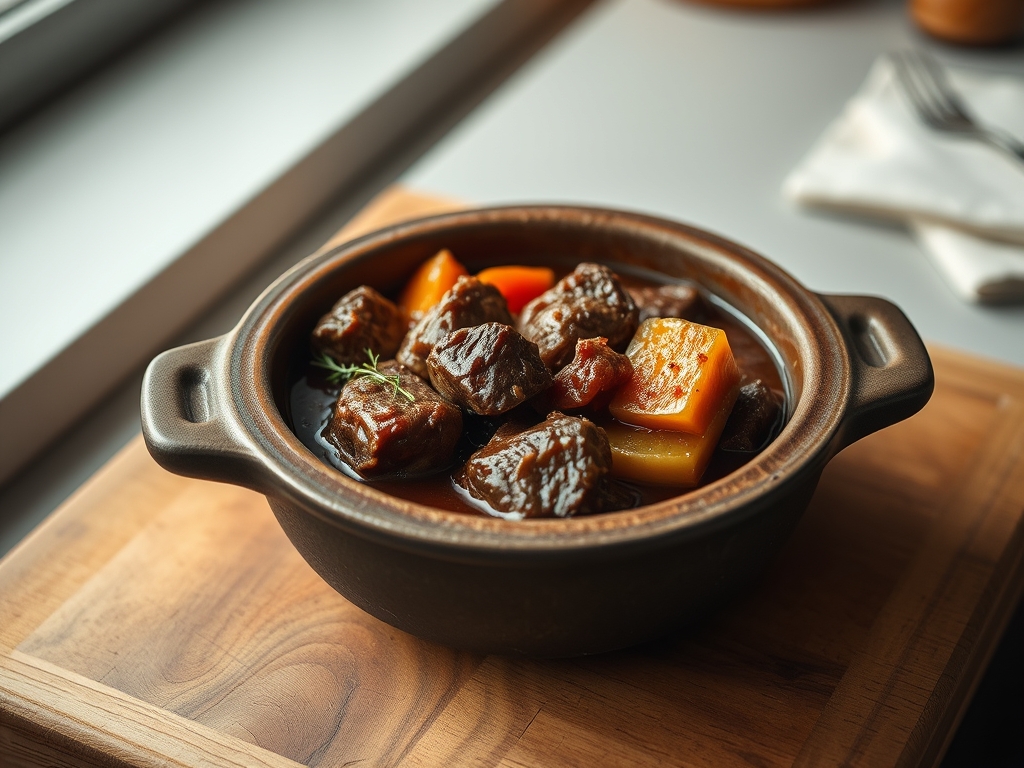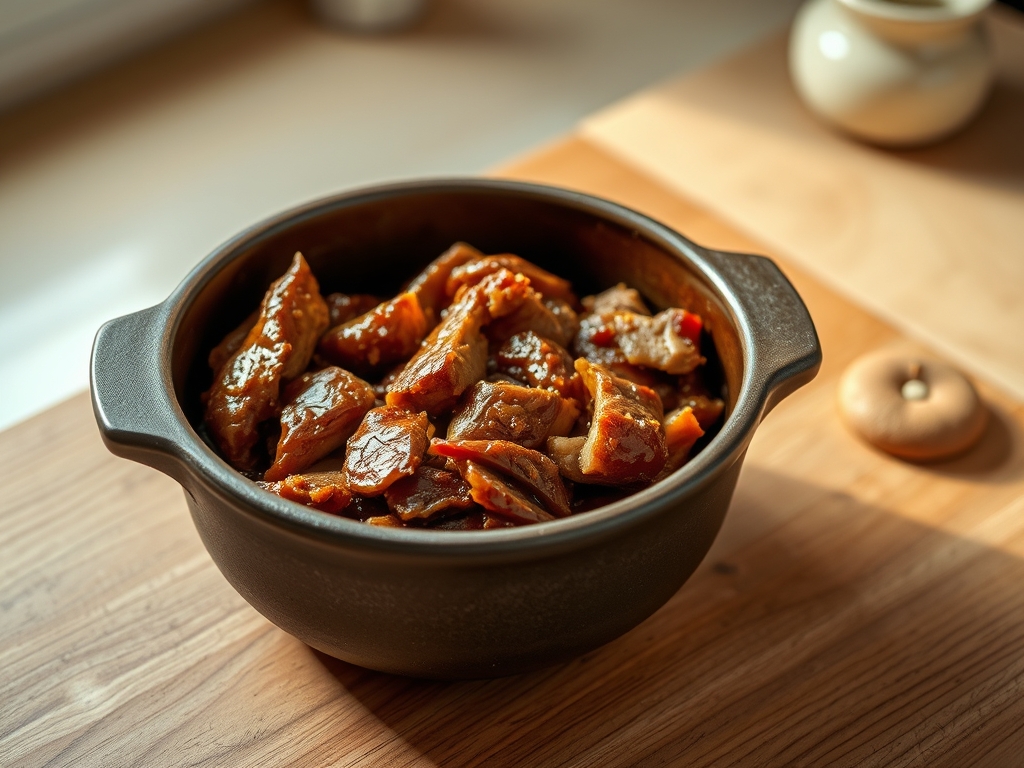
Welcome to the high stakes arena of thermal management where the humble kitchen counter becomes a laboratory for precision protein engineering. Forget the lackluster, steamed fillets of your past; we are here to master Multi Cooker Salmon Searing with the intensity of a silicon valley hardware audit. The challenge is simple yet daunting. You must achieve a shatter-crisp exterior while maintaining a translucent, buttery core, all within the pressurized confines of a multi-functional heating element. This is not just cooking; it is a tactical deployment of the Maillard reaction against a ticking clock. As the fat begins to render and the skin transitions from elastic to glass-like, the aroma of toasted amino acids fills the air. We are hunting for that perfect golden-brown crust that signals a successful structural transformation. If you have ever suffered through a gray, rubbery piece of fish, consider this your formal invitation to the elite tier of domestic culinary infrastructure. We are about to recalibrate your expectations of what a single heating element can achieve.
THE DATA MATRIX
| Metric | Specification |
|---|---|
| Prep Time | 12 Minutes |
| Execution Time | 8 Minutes |
| Yield | 2 Servings |
| Complexity (1-10) | 6 |
| Estimated Cost per Serving | $11.50 |
THE GATHERS
Ingredient Protocol:
- 2 Center-cut Salmon Fillets (approx. 170g / 6 oz each)
- 30ml / 2 tbsp High-Smoke Point Oil (Avocado or Grapeseed)
- 15g / 1 tbsp Unsalted Butter
- 2g / 0.5 tsp Flaky Sea Salt
- 1g / 0.25 tsp Freshly Cracked Black Pepper
- 1 Lemon, halved (approx. 60ml / 4 tbsp juice)
- 2 Garlic Cloves, smashed
- 5g / 1 tbsp Fresh Dill, minced
Section A: Ingredient Quality Audit:
The primary failure point in Multi Cooker Salmon Searing is moisture content. If your fish is weeping liquid before it hits the pan, you are essentially poaching it in its own juices. To fix this, perform a surface desiccation by wrapping the fillets in paper towels and refrigerating them uncovered for 30 minutes. If your salmon appears "gaping" or the muscle fibers are separating, the protein structure has already begun to degrade. Always source sushi-grade or flash-frozen fillets to ensure the cellular integrity remains intact. Furthermore, if using frozen stock, ensure a slow thaw in the refrigerator; a microwave thaw will cause uneven thermal distribution, leading to a "hot-spot" effect where the edges overcook before the center reaches the target temperature.
THE MASTERCLASS
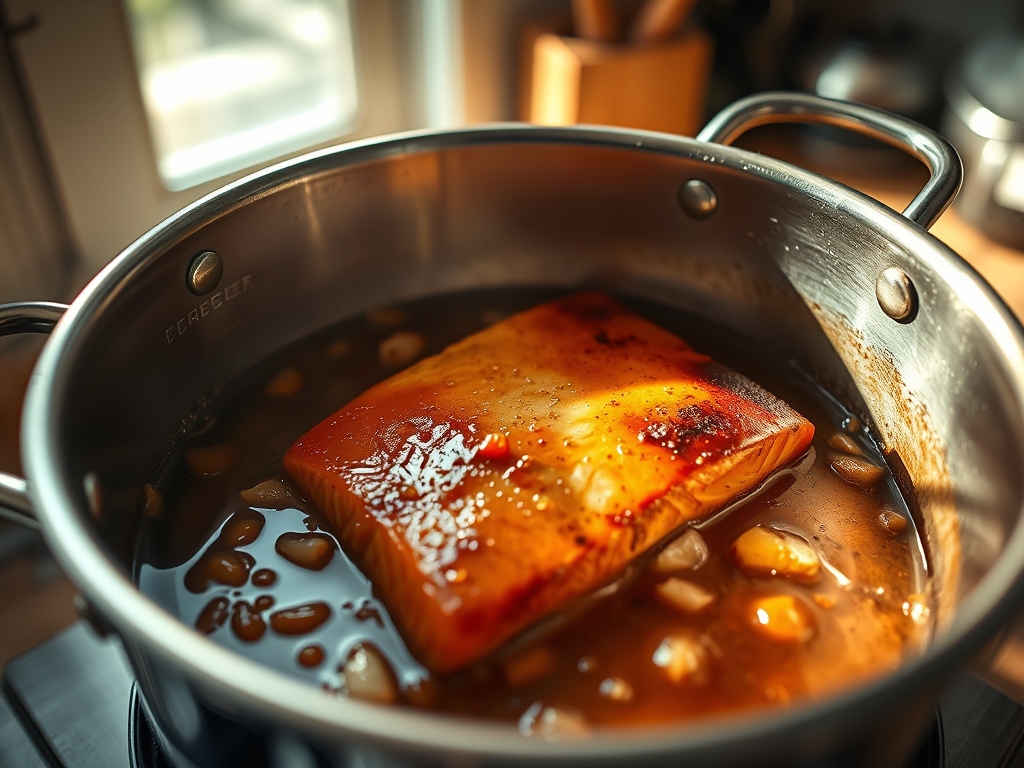
1. Thermal Priming and Surface Prep
Activate the "Sauté" function on your multi-cooker and set it to the highest possible temperature. While the inner pot preheats, use a digital scale to ensure your fillets are of equal mass for uniform cooking. Pat the skin side until it is bone-dry. Season only the flesh side initially to prevent the salt from drawing out moisture on the skin side, which would compromise the crunch.
Pro Tip: Use a bench scraper to gently press the skin flat against the cutting board before seasoning. This ensures the skin does not curl when it hits the heat, maximizing surface area contact for a more even sear.
2. The Oil Dispersion Phase
Add your high-smoke point oil to the pot. Wait until the oil begins to shimmer and reaches a state of low viscosity, almost looking like water. This indicates the oil is ready to act as a thermal bridge between the heating element and the fish. Do not add the butter yet; its milk solids will burn at this high temperature.
Pro Tip: Swirl the oil to coat the bottom of the pot evenly. If the oil beads up, the surface is not yet hot enough. High-quality stainless steel or ceramic pots require this oil buffer to prevent protein adhesion.
3. The Kinetic Sear
Place the salmon skin-side down into the pot. You should hear an immediate, aggressive sizzle. Use a flexible fish spatula to press down on the fillets for the first 30 seconds. This prevents the natural contraction of the skin from lifting the meat away from the heat source. Allow it to sear undisturbed for 4 to 5 minutes.
Pro Tip: This is where the science of heat transfer happens. By maintaining constant pressure, you ensure the skin undergoes a rapid render, turning the subcutaneous fat into a frying medium that crisps the skin from the outside in.
4. The Butter Baste and Deglaze
Flip the fillets gently. The skin should now be a rigid, golden shield. Drop in the butter, smashed garlic, and lemon halves. As the butter foams, use a small saucier spoon to continuously pour the hot, piquant fat over the cooked skin. This re-introduces moisture to the top layer without softening the crunch.
Pro Tip: The lemon juice acts to deglaze the bottom of the pot, lifting any caramelized proteins (fond) and incorporating them into a rich, emulsified pan sauce that coats the fish.
5. Final Internal Verification
Monitor the internal temperature using a digital probe. Aim for 52C (125F) for a perfect medium-rare. Once reached, immediately extract the fillets to a warm plate to rest. The residual heat will carry the temperature up another 2 to 3 degrees, settling into the ideal texture.
Pro Tip: Resting is non-negotiable. It allows the muscle fibers to relax and reabsorb the internal juices, ensuring that the first cut does not result in a dry, depleted piece of fish.
Section B: Prep & Timing Fault-Lines:
The most common human error is "crowding the pot." If you attempt to sear four fillets in a standard 6-quart vessel, the ambient temperature drops too sharply, and the fish begins to steam. This results in a pale, flaccid exterior. Another critical fault-line is the "premature flip." If the fish resists being lifted, the proteins have not yet finished their initial bond-breaking process. Patience is a technical requirement. If your timing is off and the exterior is browning too fast, utilize the "Keep Warm" setting to finish the interior gently without scorching the crust.
THE VISUAL SPECTRUM
Section C: Thermal & Visual Troubleshooting:
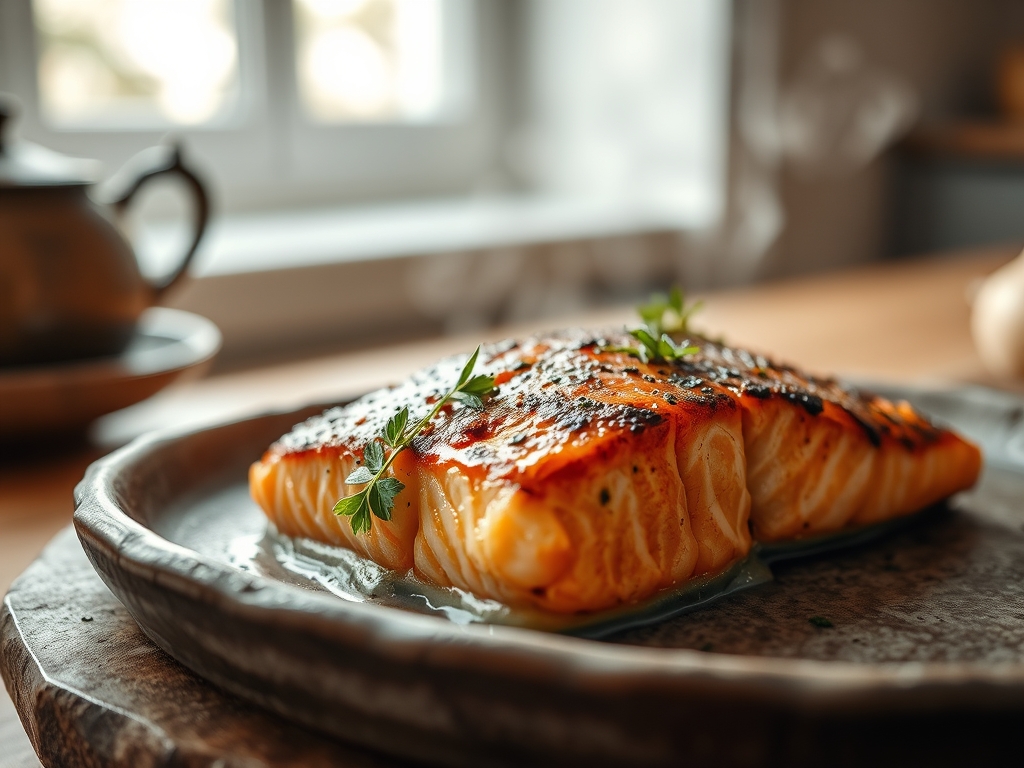
Look closely at the Masterclass photo above. Notice the distinct layers: a glass-like, dark gold skin, a thin margin of fully opaque pink, and a lush, translucent center. If your salmon appears "white and chalky" on the outside, you have leaked albumin; this is a sign of excessive heat applied too quickly. To fix this, lower your starting temperature by 10 percent next time. If the skin is dark but "leathery" rather than crisp, you likely had too much moisture on the surface or used an oil with a smoke point that was too low. If the colors are dull, an acidic finish with fresh lemon juice will brighten the pigments and infuse the dish with a vibrant, professional aesthetic.
THE DEEP DIVE
Macro Nutrition Profile:
A single serving provides approximately 340 calories, 38g of high-quality protein, 20g of healthy fats (primarily Omega-3 fatty acids), and 0g of carbohydrates. This makes it an ideal candidate for metabolic optimization.
Dietary Swaps:
- Vegan: Substitute the salmon with a thick slab of "Lion's Mane" mushroom or extra-firm tofu pressed for 2 hours. Use vegan butter (oil-based) for the basting phase.
- Keto: This recipe is natively Keto-compliant. Increase the butter volume to 30g for higher fat macros.
- GF: Naturally gluten-free. Ensure your "high-smoke point oil" is not a blend containing grain-based additives.
Meal Prep & Reheating Science:
To maintain the molecular structure during reheating, avoid the microwave at all costs; it vibrates water molecules, turning your crisp skin into a soggy mess. Instead, use an air fryer at 150C (300F) for 4 minutes or a cold pan over medium heat to slowly aerate and crisp the skin side again.
THE KITCHEN TABLE
How do I prevent the fish from sticking?
Ensure the pot is "screaming hot" before the oil is added. A hot surface creates a steam barrier between the fish and the metal, known as the Leidenfrost effect, which prevents the proteins from bonding to the pot.
Can I use frozen salmon for searing?
Yes, but it must be completely thawed and patted dry. Any internal ice crystals will turn to steam during the searing process, which destroys the "shatter-crisp" texture of the skin and leads to uneven cooking.
What is the white stuff oozing out?
That is albumin, a liquid protein. It is perfectly safe to eat but indicates the fish was cooked too fast or to too high a temperature. Reducing the heat slightly will keep the albumin inside the muscle fibers.
Why is my skin soggy despite searing?
You likely skipped the "dry-down" phase or crowded the pot. If the steam cannot escape the vessel, it settles back onto the skin, reversing the crisping process. Ensure there is plenty of space for ventilation during the sear.