The air in a high performance kitchen does not just carry smells; it carries data. When you initiate the process for Rice Cooker Jasmine Rice, you are engaging in a delicate operation of volatile aroma retention. The goal is to trap 2-acetyl-1-pyrroline, the chemical compound responsible for that signature pandan-like fragrance, within a hydrated starch lattice. Most home cooks treat the rice cooker as a "set and forget" appliance, but we are treating it as a pressurized containment vessel for aromatic excellence. You want grains that are distinct, translucent, and possess a gentle "tooth" rather than a mushy, waterlogged profile. We are looking for a structural integrity that allows each grain to stand independent while remaining soft enough to yield under minimal pressure. This is not just a side dish; it is the foundational substrate for your entire culinary architecture. If the rice fails, the curry lacks a canvas and the stir-fry loses its anchor. Let us calibrate the equipment and synchronize the variables for a perfect yield.
THE DATA MATRIX
| Metric | Specification |
|---|---|
| Prep Time | 10 Minutes |
| Execution Time | 20-25 Minutes |
| Yield | 3-4 Servings |
| Complexity | 3/10 |
| Estimated Cost per Serving | $0.45 USD |
THE GATHERS
Ingredient Protocol:
- 400g / 2 cups Long-grain Thai Jasmine Rice
- 475ml / 2 cups filtered water (Adjusted for "New Crop" moisture)
- 5g / 1 tsp Kosher salt (optional for structural seasoning)
- 10ml / 2 tsp Neutral oil or clarified butter (to aerate and separate grains)
Section A: Ingredient Quality Audit:
If your raw jasmine rice smells like dust rather than floral meadows, your volatile compounds have already dissipated. Old crop rice loses moisture and requires a higher water-to-rice ratio, often resulting in a blown-out, chalky texture. To fix this, perform a "Cold Soak" for 15 minutes prior to cooking to force hydration into the parched core. If your water has high mineral content, it will interfere with starch gelatinization. Use filtered water to ensure the pH does not turn your pristine white grains into a dull, yellowish mass.
THE MASTERCLASS
1. The Mechanical Rinse
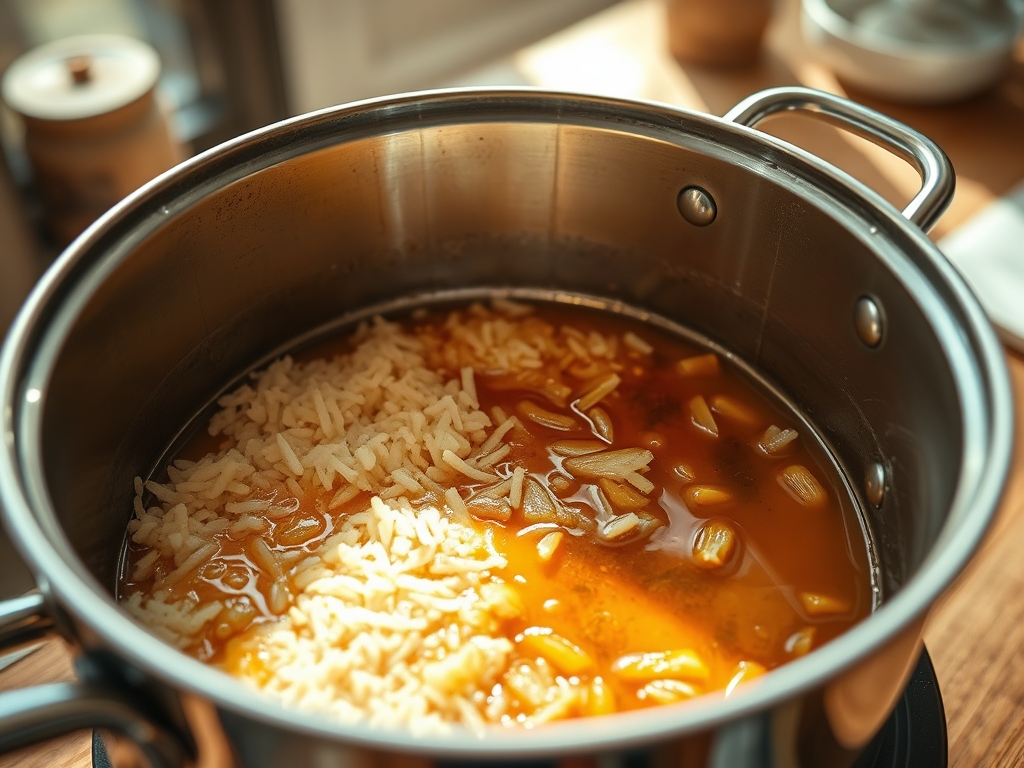
Place your rice in a fine-mesh chinois or a heavy-duty mixing bowl. Use cold, running water to agitate the grains. You are looking to strip away excess surface starch that causes clumping. Stop only when the water runs crystal clear. Pro Tip: Use a digital scale to measure your rice rather than a volume cup. Weight is the only constant in a world of varying grain densities. Excess surface starch will create a viscous film that prevents steam from circulating between the grains.
2. The Hydration Calibration
Transfer the rinsed rice to the inner pot of your rice cooker. Add your measured filtered water. For Jasmine rice, a 1:1.1 or 1:1.2 ratio is the "Golden Zone." If you prefer a firmer grain for fried rice applications, lean toward the 1:1 ratio. Pro Tip: Use a silicone spatula to ensure every grain is submerged and level. Any rice stuck to the sides of the pot will dehydrate and harden into "shrapnel" that ruins the mouthfeel of the final product.
3. The Lipid Infusion
Add your salt and oil. While traditionalists might skip the fat, a small amount of oil or ghee helps to render the surface of the grain slick, preventing the proteins from bonding too tightly. This ensures that when you fluff the rice later, the grains slide past one another. Pro Tip: A saucier whisk can be used to briefly stir the water and oil to create a temporary emulsion, ensuring even distribution of the seasoning before the heat cycle begins.
4. The Thermal Cycle
Close the lid and engage the "White Rice" or "Standard" setting. Do not, under any circumstances, open the lid during the cooking process. You are building a pressurized steam environment. Opening the lid causes a catastrophic drop in internal temperature and a loss of the very volatile aromas we are trying to capture. Pro Tip: If your cooker has an induction heating element, it will utilize magnetic fields to create an even thermal distribution that a standard heating plate cannot match.
5. The Atmospheric Rest
Once the timer chirps, the mission is not over. Leave the rice on the "Keep Warm" setting for exactly 10 minutes. This allows the residual steam to redistribute from the bottom of the pot to the top grains, ensuring a uniform moisture profile. Pro Tip: Use a bench scraper or a wide rice paddle to "fold" the rice rather than stirring it. Stirring breaks the delicate grains; folding incorporates air to aerate the mass and release excess moisture.
Section B: Prep & Timing Fault-Lines:
The most common human error is the "Early Peek." If you interrupt the steam cycle, the top layer of rice will remain "al dente" (hard) while the bottom becomes overcooked. If you find yourself in this situation, add 15ml of boiling water, seal the lid, and wait an additional 10 minutes. Another fault-line is the "Compaction Error." If you pack the rice into a bowl immediately without fluffing, the weight of the rice will crush the bottom layer into a dense, gluey paste.
THE VISUAL SPECTRUM
Section C: Thermal & Visual Troubleshooting:
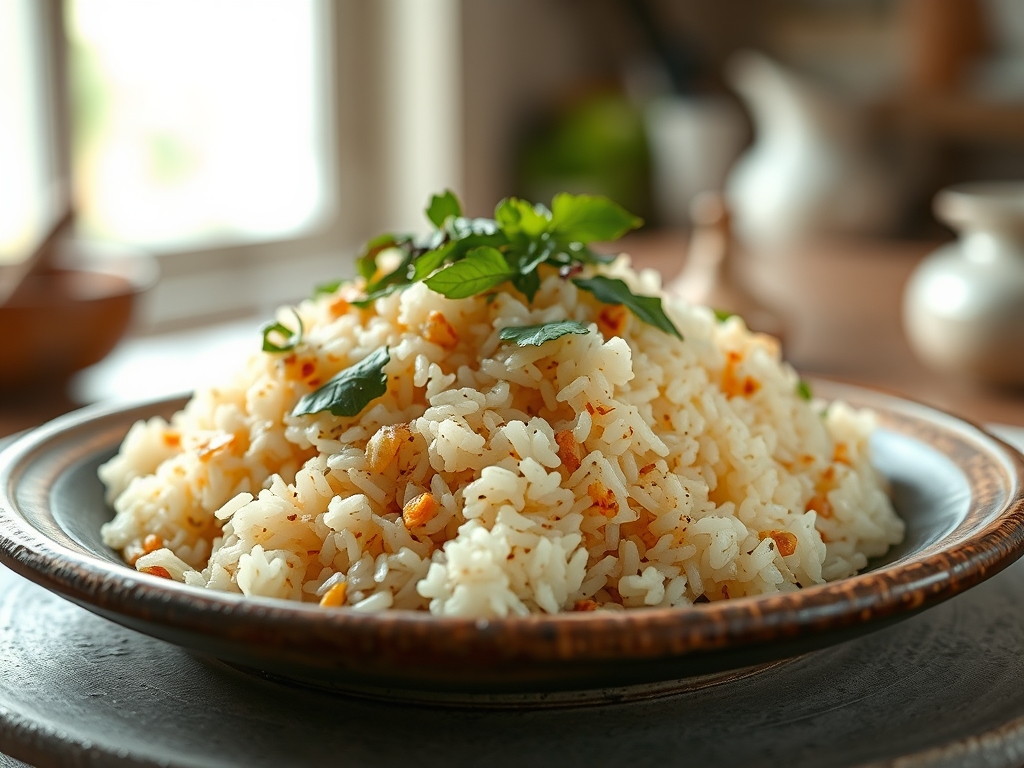
Referencing the Masterclass photo above, notice the individual definition of each grain. They should look like tiny, polished pearls, not a singular mass. If your rice looks "matted" or dull, you likely skipped the rinsing phase or used too much water. If the grains are curling or "bursting" at the ends, the heat was too aggressive or the rice was over-hydrated, causing the starch granules to explode. For uneven browning at the bottom, check your rice cooker's sensor; a dirty sensor leads to "hot spots" that can infuse the rice with an unwanted toasted flavor. The ideal visual cue is a gentle sheen on the surface, indicating a successful lipid coating and perfect hydration.
THE DEEP DIVE
Macro Nutrition Profile:
A standard 150g serving of steamed Jasmine rice provides approximately 205 calories, 4g of protein, 45g of carbohydrates, and less than 1g of fat. It is a high-glycemic carbohydrate, making it an excellent rapid energy source for post-workout recovery or high-output cognitive tasks.
Dietary Swaps:
- Vegan: Already compliant. Ensure your neutral oil is plant-based.
- Keto: Not possible with grain rice. Substitute with riced cauliflower steamed with a touch of coconut oil to mimic the Jasmine aroma.
- Gluten-Free: Naturally compliant. Always check for cross-contamination in bulk bins.
Meal Prep & Reheating Science:
To maintain molecular structure during storage, spread the rice on a sheet pan to cool rapidly before refrigerating. This prevents "retrogradation," where starches crystallize and become hard. When reheating, add a teaspoon of water and cover tightly to re-introduce steam, which softens the crystalline starch structures without making them viscous.
THE KITCHEN TABLE
Why is my Jasmine rice always sticky?
You likely skipped the rinsing phase. Surface starch acts like glue when heated. Rinse until the water is clear to ensure grain separation and a clean finish on the palate.
Can I use chicken broth instead of water?
Yes, but ensure the broth is low-sodium. The proteins in the broth will slightly change the texture, making it richer and more savory, though it will slightly mask the delicate Jasmine aroma.
How do I prevent the bottom from burning?
Ensure the heating element and the bottom of the inner pot are bone-dry before starting. Any moisture between the pot and the element can cause erratic temperature spikes and scorching.
Is the "finger method" for measuring water accurate?
It is a traditional heuristic but lacks precision. Because finger lengths and pot diameters vary, using a digital scale for a 1:1.2 ratio is the only way to ensure professional-grade consistency every time.